Ciudad Perdida
(2020)
25 minutes
Soprano and Piano
Performance Information
Commissioned by Sparks and Wiry Cries
World Premiere: The Blue House, New York, NY. Maria Fernanda Brea and Howard Watkins. January 2021.
NYU Steinhardt School of Music. Maria Fernanda Brea and Manuel Laufer. November 2022.
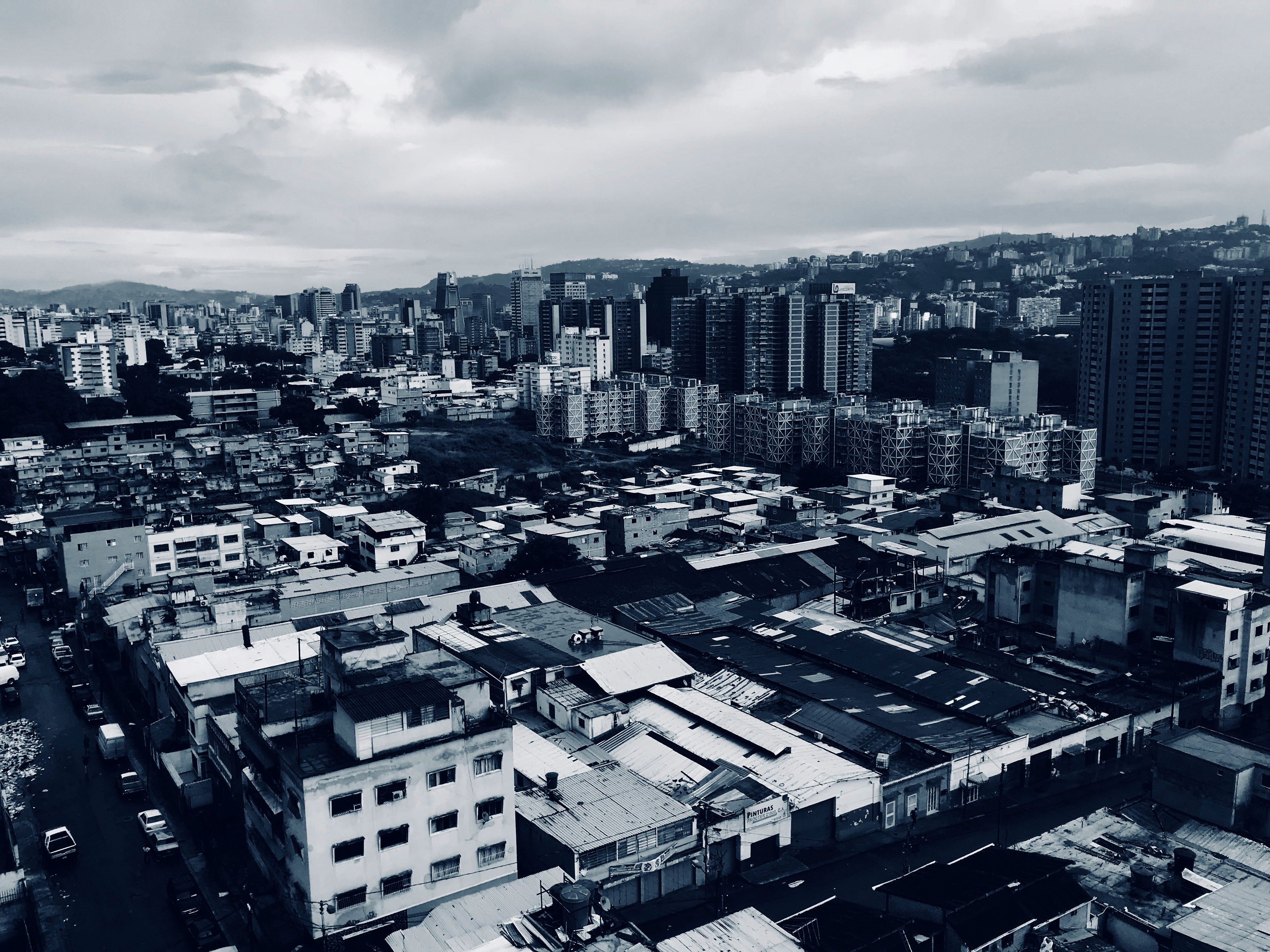
Photo by Jonathan Mendez on Unsplash
About
This cycle is an attempt to encapsulate the emotional reality of the Venezuelan diaspora over the last two decades. As an expatriate who has lived outside Venezuela for over twenty years, I have always been hesitant to depict the daily misery of the crisis directly; a song cycle for voice and piano cannot truly do justice to such a reality. Instead, these songs explore my own relationship to Caracas from afar. I was drawn to the poetry of Adalber Salas Hernández because of its profound sense of place: his city is a physical entity that he carries with him. His words evoke a palpable sense of loss: the realization that the city of our youth no longer exists, having been either washed away by time or forfeited by our departure.
Because of the expansive nature of the texts, I have divided the cycle into two distinct parts:
Part I: Ciudad perdida (Lost City)
Structured in four sections, this part possesses a distinct Spanish character with echoes of Flamenco. This serves not only as a subliminal link to Venezuela’s colonial heritage but also as a means of finding a specific "darkness and verve" to mirror the loss depicted in the poetry. The music is a search for a phantom city that remains just out of reach.
Part II: XXXIII (from La ciencia de las despedidas)
The second part begins with the calculated banality of a pop song: the kind of "hold music" one might hear in the waiting room of an immigration facility. This intentionally shallow veneer stands in stark contrast to the lyrics, which describe the intrusive interrogations to which immigrants are subjected. As the question of "motive for travel" repeats, the narrator retreats into an introspective, pensive interior world. By the final section, the "waiting room" music has vanished, replaced by the weariness of the traveler, though one last cruel reminder of that initial banality resurfaces at the end.
I dedicate this work to all Caraqueños wandering the world, still yearning for the sight of the Ávila mountain.