Diáspora
(2019)
13 minutes
Cello and Piano
Performance Information
Commissioned by Horacio Contreras and Ana María Otamendi
Landmark Center, St. Paul, MN. The Schubert Club. Horacio Contreras (Cello) and Ana María Otamendi (Piano). May 2019.
Music in Bloom Festival, Indianapolis, IN. Horacio Contreras (Cello) and Clare Longendyke (Piano). August 2021.
Longy School of Music, Boston, MA. Christine Lamprea (Cello) and Yundu Wang (Piano). September 2021.
University of Michigan. Diversity and Belonging Conference. Horacio Contreras (Cello) and Ana María Otamendi (Piano). January 2022.
Icehouse, Minneapolis, MN. McKnight Fellows Showcase. Christine Lamprea (Cello) and Yundu Wang (Piano). February 2023.
Wellesley College Concert Series. Portrait Recital. David Russell (Cello) and Jenny Tang (Piano). October 2024.
Festival Sinapsis, Lima, Peru. May 2025.
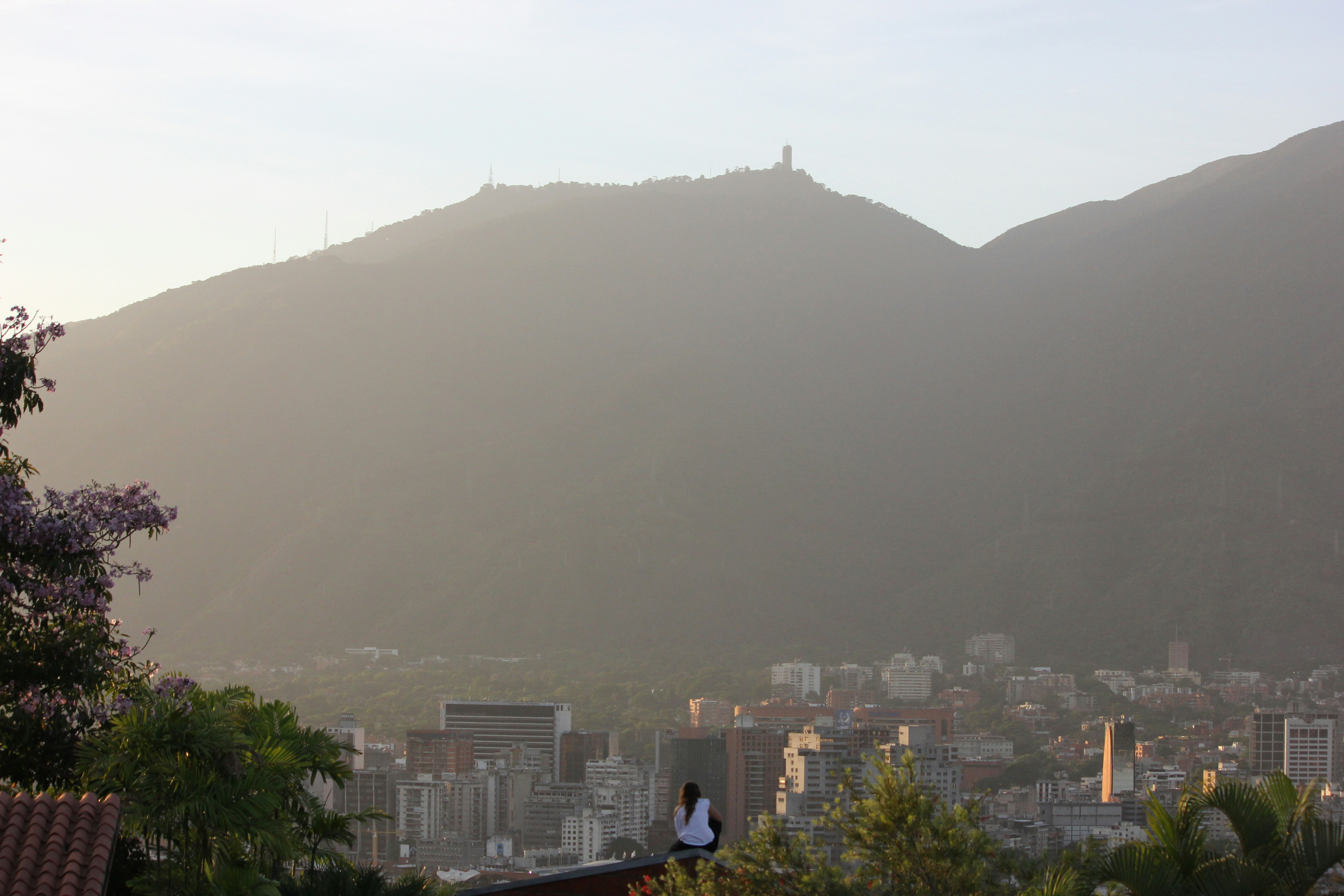
Photo by Fernando Gago on Unsplash
About
Diáspora is my first work of chamber music written expressly for Venezuelan musicians. I was excited when we worked out the commission, and it immediately got me thinking about our common Venezuelan identity and heritage. Especially in the early days of 2019, being a Venezuelan away from home is a strange mix of worry, sadness, nostalgia, disappointment, hope, and many other emotions. The Venezuelan crisis was very much in my mind as I wrote this work, but I didn’t want to feel like I was minimizing (or cheapening) the very real suffering going on in Venezuela by trying to somehow depict the situation directly in my music. I opted instead to approach the writing of this work from a perspective that I know: that of being a Venezuelan abroad and trying to communicate with family still left at home, attempting to get news and information, and generally feeling helpless and worried. Diáspora is then a work that is personal, but one that looks at a tragedy in an oblique way.
The work’s two movements have resilience at their core. Venezuelans are famously optimistic and good-natured. We always look for ways to joke around so that we can release the tension in a situation. It is this persevering spirit that continues to help Venezuelans get through this crisis. This resilience is manifested differently in each movement. In the first movement, "Bululú Rucaneao," a traditional Venezuelan merengue pattern is heard constantly, but in ever-changing contexts. A bululú is a typical Venezuelan word for a mess, a throng of people. "Rucaneao" relates to the 5/8 pattern that is often found in merengues from Caracas. These merengues are often happy and elegant dances. In this movement, the elegance is mixed in with irony and bitterness. It is common for other rhythms to glide over this relentless 5/8 pattern, and in "Bululú Rucaneao" this is exactly what happens, but these accompanying rhythms become more complicated. The nature of the conflict in this work is rhythmic, not harmonic. I see this movement as representing the good humor and character that most Venezuelans have, even in the face of adversity.
The second movement is titled “Todo bien, mijo”: Passacaglia. In this movement, I explore the experience of trying to communicate with family members who are still living in Venezuela, and having to wonder if they’re telling you the whole story about what they’re experiencing. They say: “Todo bien, mijo,” (everything is good, my son). But those on the outside know that things are far from good. This is how Venezuelans approach the crisis: they keep on keeping on, and they simply say “todo bien, mijo.” To represent this, I chose to write a Passacaglia, where a harmonically ambiguous melody is heard throughout the movement. Sometimes quite clearly, others almost hidden. I think of this passacaglia melody as the subtext in these phone conversations: the sadness, desperation, and worry that all Venezuelans living in the crisis experience on a daily basis. Many other melodies, textures and rhythms surround this passacaglia melody sometimes overwhelming it, others supporting it before the whole thing appears to break down.
Diáspora is my humble attempt to process my own feelings about this situation. It is not my intention to try to represent the entirety of this crisis in one piece of chamber music. Rather, Diáspora is a way for me to get in touch with certain emotions that I would rather not face head on.